

U.S. President Donald J. Trump’s claims of deadly American airstrikes against terrorist targets in the mostly Muslim northwestern Nigeria have drawn global attention. Nigeria’s Ministry of Foreign Affairs has partly confirmed security and intelligence cooperation with the United States.
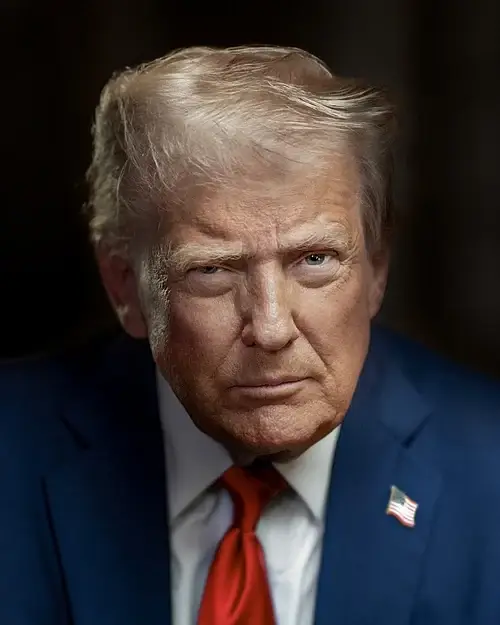
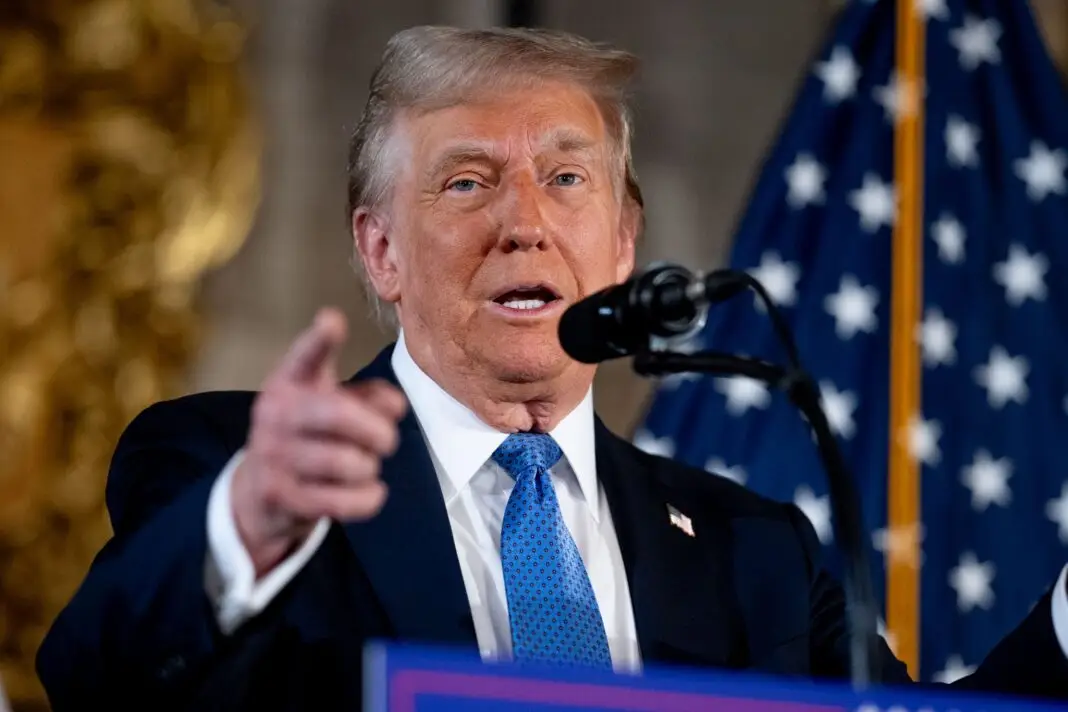
In a strongly worded statement posted on his verified social media account, Trump said the United States, acting under his direction as Commander-in-Chief, had launched “powerful and deadly” strikes against what he described as ISIS-linked terrorists operating in Northwest Nigeria. He claimed the operation was in response to the killing of Christians and warned of further military action if such attacks continued.
“Tonight, at my direction… the United States launched a powerful and deadly strike against ISIS terrorist scum in Northwest Nigeria,” Trump wrote, adding that the strikes were aimed at halting what he described as mass killings of Christians. He ended the message with a provocative declaration: “Merry Christmas to all, including the dead terrorists.”
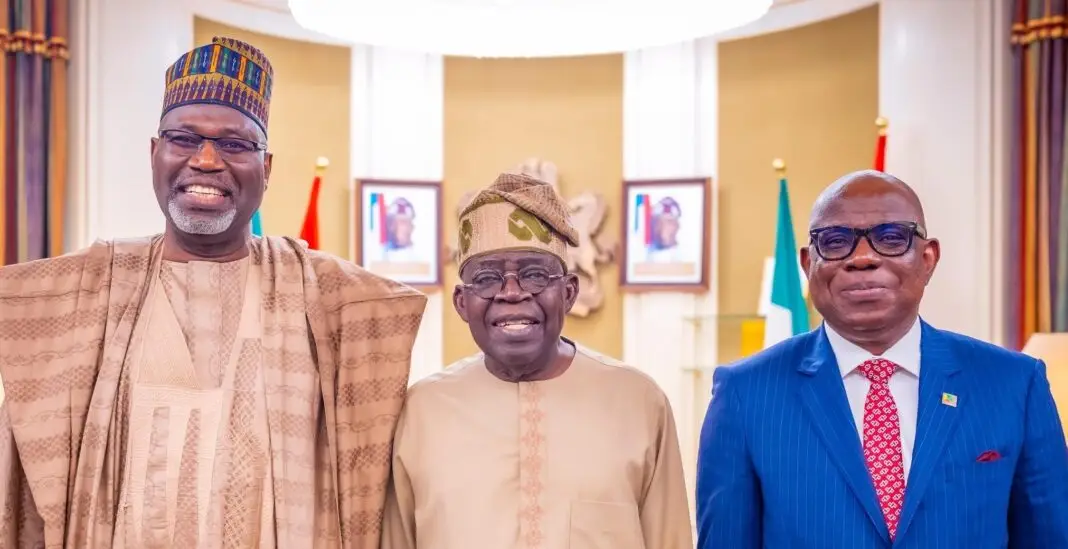
Although President Trump’s remarks suggested unilateral U.S. military involvement, Nigeria’s Ministry of Foreign Affairs released a measured statement describing the recent events as elements of structured bilateral security cooperation with international partners, including the United States.
In the statement signed by the ministry’s spokesperson, Kimiebi Imomotimi Ebienfa, the Federal Government confirmed that intelligence-sharing and coordinated security efforts had led to “precision hits on terrorist targets in Nigeria, particularly in the North West.” However, it stopped short of confirming direct U.S. combat operations on Nigerian soil.
The ministry emphasized that all actions were undertaken in line with international law, mutual respect for sovereignty, and a shared commitment to combating terrorism. It stressed that Nigeria’s counterterrorism strategy remains focused on protecting civilians, preserving national unity, and upholding the rights and dignity of all citizens, regardless of faith or ethnicity.
“Terrorist violence in any form, whether directed at Christians, Muslims or other communities, remains an affront to Nigeria’s values and to international peace and security,” the statement said.
The Nigerian government also underscored ongoing efforts to disrupt terrorist financing and logistics networks, strengthen domestic intelligence capacity, and prevent cross-border threats, while reassuring the public that updates would continue through official channels.
Analysts note that while both statements point to intensified counterterrorism activity, the starkly different tones reflect contrasting political messaging. Trump’s declaration appears aimed at projecting strength and decisiveness, while Nigeria’s response seeks to reaffirm sovereignty, diplomacy, and adherence to international norms.
The developments come amid renewed global attention on insecurity in Nigeria’s northwest, where armed groups, often referred to as bandits but sometimes linked to extremist networks, have carried out mass kidnappings and deadly attacks on mostly Muslim rural communities.
As questions swirl over the scale and nature of foreign involvement, both governments appear keen to signal cooperation without undermining national authority or regional stability.