
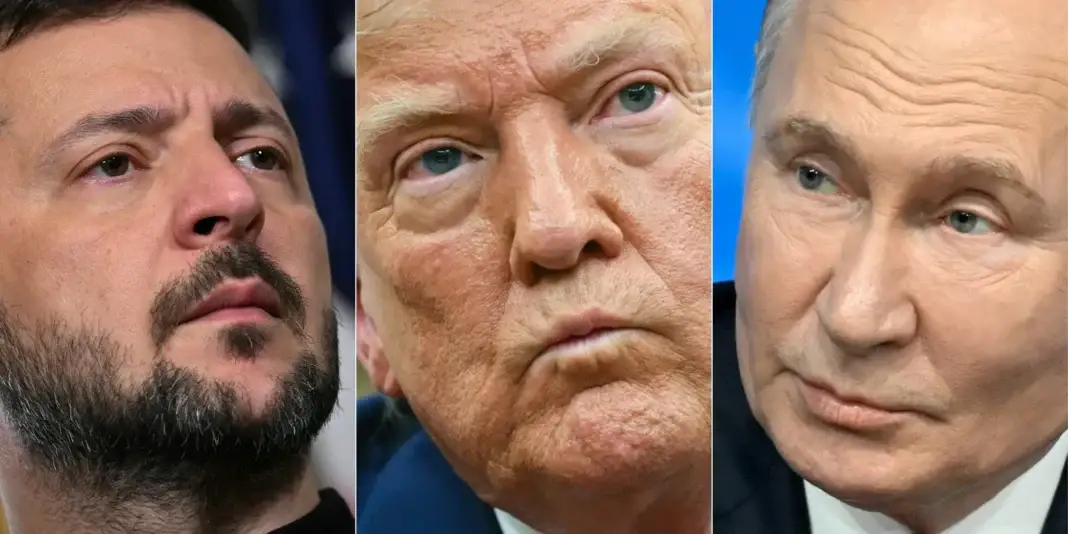

A reported 28-point peace proposal involving Ukraine, Russia, and the United States has surfaced in international media, outlining potential steps toward ending the ongoing war in Ukraine. The draft framework, which has not been officially confirmed by any party, would require significant concessions by Ukraine in exchange for security guarantees from the United States and its allies. The proposal has sparked concern among analysts and European leaders, while Ukraine has reiterated its opposition to any territorial concessions.
The leaked outline of the peace proposal comes amid ongoing hostilities between Russian and Ukrainian forces, with the conflict drawing in diplomatic and military support from Western nations. The 28-point plan is reportedly the result of behind-the-scenes discussions aimed at exploring a possible negotiated settlement to the war. The involvement of the United States highlights Washington’s key role in shaping security arrangements for Ukraine and the broader European region.
According to the reported framework, Ukraine would be required to make several substantial concessions as part of the peace deal. Chief among these is the recognition of current Russian control over Crimea and parts of Ukraine’s eastern territories occupied since 2022. The plan would also demand that Ukraine refrains from joining NATO, adopts a neutral military status, and accepts limitations on the size and capabilities of its armed forces. Additionally, the proposal would require Ukraine to enshrine these commitments in its constitution and engage in direct talks with Russia regarding the future status of disputed regions.
In exchange for these concessions, the United States and European allies are said to offer Ukraine a series of security guarantees. These would include commitments to provide military assistance in the event of future aggression, ongoing economic support, and potential integration into certain Western defense and economic structures, short of full NATO membership. The framework reportedly seeks to balance Russia’s demand for Ukrainian neutrality with Western assurances that Ukraine would not be left defenseless.
The emergence of the 28-point proposal has raised alarm among policy analysts and several European leaders. Critics warn that conceding territory to Russia could set a precedent undermining international law and the sovereignty of other states. There is also concern that the security guarantees offered may not be sufficient to deter future aggression, especially if Ukraine is required to demilitarize and forgo alliances. European officials, in particular, have expressed fears that a peace deal struck without their full involvement could compromise the continent’s security architecture and political cohesion.
As of this writing, there has been no official confirmation of the 28-point proposal by the governments of Ukraine, Russia, or the United States. Ukrainian officials have publicly rejected any plan that involves territorial concessions or compromises on sovereignty, reiterating that Ukraine’s position remains unchanged regarding its internationally recognized borders. Russian authorities have not commented directly on the details of the reported framework. European Union leaders have emphasized the importance of a peace process that respects Ukraine’s territorial integrity and the principles of international law.
The reported 28-point peace proposal remains unconfirmed and faces significant political and diplomatic hurdles. While it outlines a possible path to cease hostilities, the major concessions required from Ukraine, the ambiguous security guarantees, and widespread concerns among Western allies suggest that a negotiated settlement is far from imminent. With Ukraine firmly opposed to territorial compromises and the lack of official endorsement from key stakeholders, the future of the proposal, and the broader search for peace in Ukraine, remains uncertain.