

New Policy Sparks Concerns in Tech Industry and Among Indian Professionals
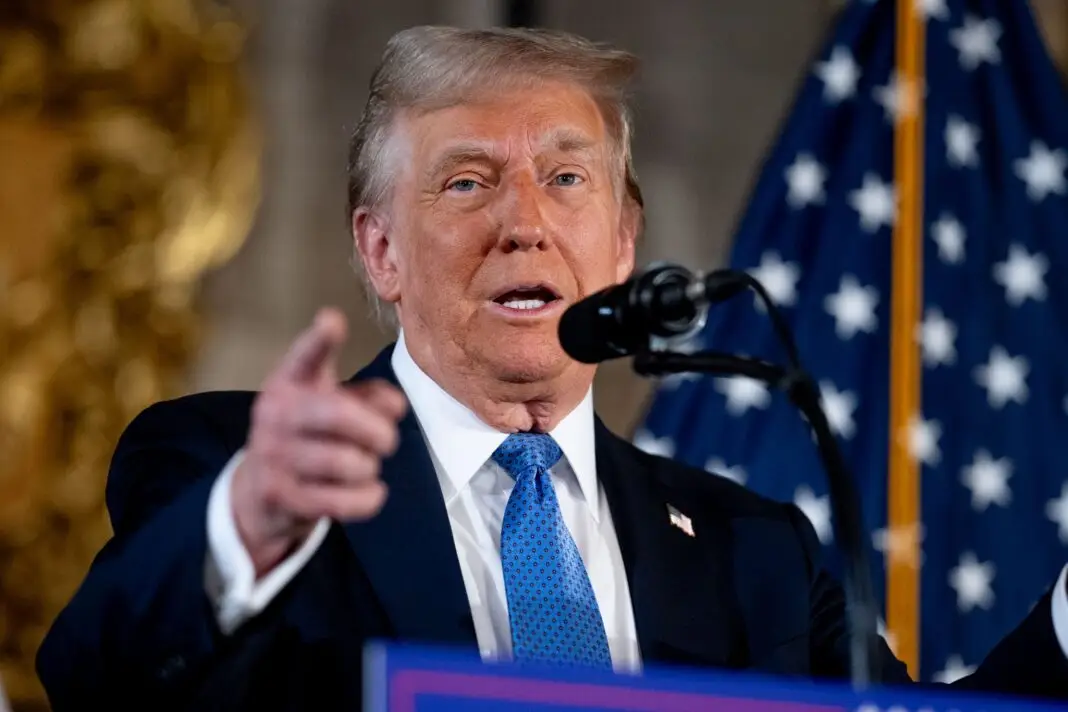
US President Donald Trump has dramatically increased the fee for the visa used extensively by high-tech workers to $100,000, up from $1,000, according to a Bloomberg News report quoting a U.S. official. The move, which especially impacts workers from India, marks part of a broader crackdown on immigration since Trump’s return to the White House. Until now, the administration had largely avoided targeting the H-1B visa—a program on which Silicon Valley heavily depends.
The H-1B visa is a non-immigrant visa that allows U.S. employers to temporarily employ foreign workers in specialty occupations. These positions typically require specialized knowledge and at least a bachelor’s degree in fields such as information technology, engineering, mathematics, medicine, or finance.
The United States awards 85,000 H-1B visas per year through a lottery system, with India accounting for around three-quarters of the recipients. Large technology firms rely on Indian workers who either relocate to the United States or travel frequently between the two countries. Because of high demand, employers must file petitions on behalf of the foreign workers, and selection is often determined by chance.
The initial duration of an H-1B visa is up to three years, with the possibility of extension to a maximum of six years. In some cases, extensions can last even longer if the individual is in the process of applying for permanent residency.
This visa program benefits both employers, by giving them access to a global talent pool, and employees, who gain valuable work experience in the United States. However, the H-1B process is complex and requires careful attention to legal requirements and deadlines. Overall, it remains a critical pathway for skilled professionals seeking career opportunities in the U.S.
In addition to the fee increase, the Trump administration will also take steps aimed at preventing tech workers visiting on the H-1B visa from undercutting wages of native-born workers. These new policies are part of a wider effort to tighten immigration controls and reshape the U.S. workforce.
Tech entrepreneurs—including Trump’s former ally Elon Musk—have warned against targeting H-1B visas, arguing that the United States does not have enough homegrown talent to fill the many vacancies in the tech sector. Industry leaders fear that the fee hike and additional restrictions could make it harder for U.S. companies to compete globally and fill crucial roles with qualified candidates.