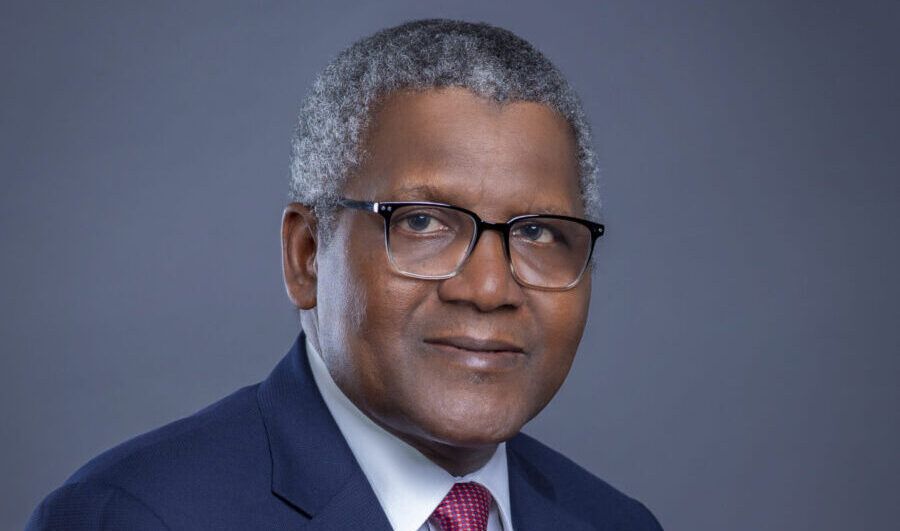



Barely four years after the Petroleum Industry Act (PIA) rewired Nigeria’s oil and gas governance architecture, the leadership of NNPC Limited has again come under the spotlight. With the appointment of Engineer Ahmadu Musa Kida as non-executive chairman of the board and Engineer Bashir Bayo Ojulari as Group Chief Executive Officer, expectations are high that the commercial national oil company can finally move from reform rhetoric to measurable results.
A comparison between the earlier post-PIA board and the current one shows a subtle but important shift, from transition management to consolidation and delivery.
The former NNPC Limited board, constituted after the PIA came into force, was largely transitional in character. Its primary task was to midwife the transformation of the old Nigerian National Petroleum Corporation into NNPC Limited, a Companies and Allied Matters Act (CAMA) entity with a commercial mandate, independent board and clearer separation between ownership, regulation and operations.
That board oversaw foundational changes. These include incorporation of NNPC Limited, early governance frameworks, restructuring of subsidiaries, and the initial move toward profit declaration. However, its tenure was also marked by lingering uncertainty about roles, frequent leadership changes and public skepticism about how far “commercialization” had truly gone.
The current board under Engr. Kida appears designed for a different phase. These are stabilization, strategic oversight, and performance monitoring.
As a non-executive chairman with decades of industry experience, Engr. Kida’s influence lies less in operational detail and more in direction-setting and discipline. The reconstituted board signals a renewed emphasis on corporate governance, professionalism and alignment with the spirit of the PIA, that NNPC Limited should operate as a business, not a government department.
One of the board’s earliest achievements has been restoring clarity at the top. By promptly confirming executive leadership and articulating broad priorities like boosting production, reviving refining, and deepening partnerships; the board has provided management with a clearer mandate than in the immediate post-PIA period.
This clarity matters. Under the PIA, the board is meant to protect the company’s commercial interests, ensure transparency, and hold management accountable through measurable performance indicators. The Kida-led board has so far focused on rebuilding confidence in that governance framework, both internally and among external partners.
If the board is about structure, Engr. Bayo Ojulari’s management has been about momentum. Since assuming office, Ojulari has moved quickly to assemble a new management team and project an image of decisiveness, a contrast to the cautious pace that characterized parts of the earlier post-PIA era.
Operationally, NNPC Limited under Ojulari has highlighted gains in pipeline security and reductions in crude oil theft, a chronic problem that has undermined production and revenues for years. Any sustained improvement here directly impacts cash flow and investor confidence, making it one of the most tangible early wins of the current management.
In the downstream, management has adopted a pragmatic approach by positioning NNPC Limited as a key offtaker and distributor for large domestic refineries, including private ones. This reflects a shift from state dominance to partnership, acknowledging that Nigeria’s refining challenge will not be solved by public assets alone.
Ojulari has also aligned closely with government targets on production growth and refinery rehabilitation, publicly committing NNPC Limited to playing a central role. While many of these remain plans rather than completed projects, the willingness to stake management’s credibility on delivery timelines marks a more assertive posture.
Compared with the former board and management structure, the current leadership shows stronger alignment between board oversight and executive action. The earlier phase was about setting up the rules of the game; the current phase is about playing it and being judged by results.
However, the hard tests still lie ahead. Reviving state-owned refineries, sustaining crude output growth and attracting large-scale private capital will require not just announcements but disciplined execution, transparent procurement and consistent regulatory behavior. These are areas where previous efforts faltered.