
The Impact of Mali, Niger, and Burkina Faso’s Withdrawal from ECOWAS on Regional Security 

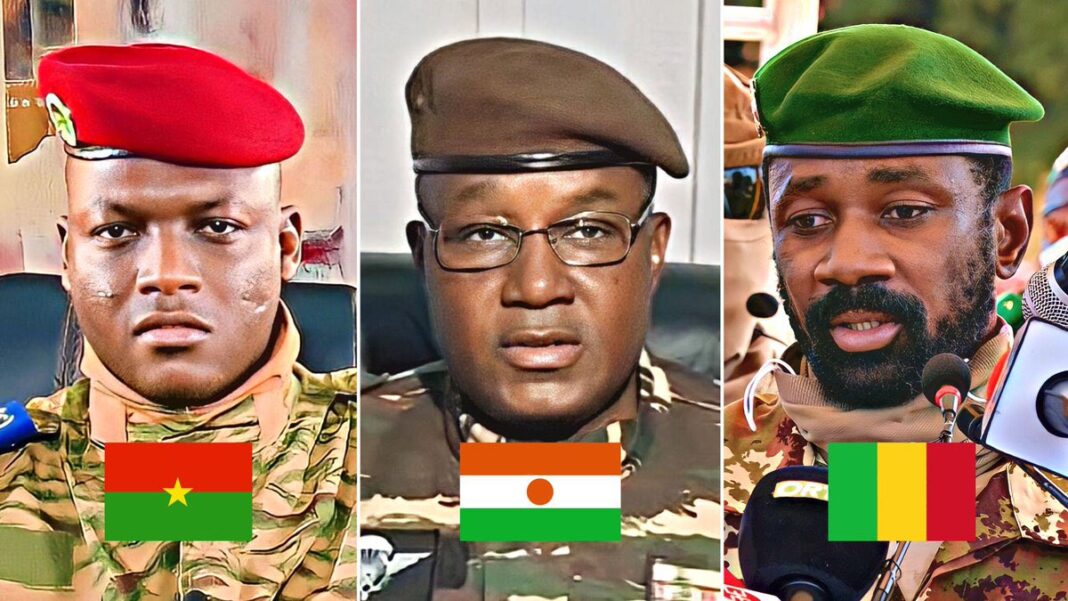
Mali, Niger, and Burkina Faso have faced numerous security challenges in recent years, including the rise of extremist groups, internal conflicts, and political instability. These countries have been on the frontline of the fight against terrorism in the Sahel region, with various militant groups exploiting porous borders and weak governance structures to conduct their operations. ECOWAS has historically provided a platform for collective security efforts, including peacekeeping missions and diplomatic interventions. 

Mali, Niger, and Burkina Faso have now formally to withdrawn from ECOWAS. The reason for their withdrawal is attributed to several factors: 

  • Sovereignty Concerns: These countries have expressed a desire to regain full control over their domestic affairs and security policies, free from external influences. 
  • Perceived Ineffectiveness: There is a growing sentiment that ECOWAS has been ineffective in addressing the security challenges faced by these nations, leading to frustration and disillusionment. 
  • Political Shifts: Recent political changes in these countries, including coups and transitions in leadership, have resulted in a reevaluation of their international alliances and commitments. 

Impact on Regional Security 

The withdrawal of Mali, Niger, and Burkina Faso from ECOWAS has profound implications for regional security.

ECOWAS has been instrumental in coordinating collective security efforts, including military interventions and peacekeeping missions. The departure of these three nations undermines the unity and effectiveness of ECOWAS’s security architecture, making it more challenging to respond to regional threats. 

he Sahel region, where Mali, Niger, and Burkina Faso are located, has been a hotspot for extremist activities. The withdrawal from ECOWAS could create a security vacuum, allowing extremist groups to exploit the lack of coordinated regional responses and expand their influence.

The exit of these nations may lead to the fragmentation of existing security initiatives and cooperation frameworks. Collaborative efforts such as intelligence sharing, joint military operations, and border security measures could be disrupted, hindering the overall effectiveness of counter-terrorism strategies. 

Neighboring countries within ECOWAS may face increased pressure to address security challenges on their own. The burden of managing cross-border threats and instability could strain their resources and capabilities, potentially leading to further regional instability. 

To address the potential negative impacts of the withdrawal, several mitigation strategies could be considered: 

  • Bilateral and Multilateral Agreements 

Mali, Niger, and Burkina Faso could explore bilateral and multilateral security agreements with other regional and international partners. Such agreements could provide alternative platforms for cooperation and support in addressing security challenges. 

  • Strengthening National Security Capabilities 

Investing in and strengthening national security capabilities, including military, intelligence, and law enforcement agencies, is crucial. Enhancing the capacity to respond to internal and external threats independently can mitigate the adverse effects of the withdrawal. 

  • Regional Dialogue and Diplomacy 

Maintaining open channels of communication and dialogue with ECOWAS and neighboring countries is essential. Diplomatic efforts to address grievances and rebuild trust could pave the way for future cooperation and reintegration into regional security frameworks. 

The withdrawal of Mali, Niger, and Burkina Faso from ECOWAS presents significant challenges for regional security in West Africa. The weakening of collective security mechanisms, increased vulnerability to extremism, and fragmentation of security initiatives are among the key concerns. However, with strategic mitigation efforts, including bilateral agreements, strengthening national security capabilities, and regional dialogue, it is possible to address these challenges and work towards a more stable and secure West Africa. 

The future of regional security in West Africa hinges on the ability of all stakeholders to navigate this complex transition and find common ground for cooperation. The commitment to peace, stability, and collaboration remains crucial in ensuring the safety and prosperity of the region. 

Hot this week

What They Never Told You: Ayatollah Khomeini Was a Great Jurist, Not a Fanatic

The West gave Iran a name — theocracy — and buried the reality beneath it. They never told you that Khomeini spent decades mastering one of the most rigorous legal traditions in human history, or that he built a constitutional republic ratified by 98 percent of the Iranian people in a free referendum. A nation of fanatics can be bombed with a clear conscience. A constitutional republic of 93 million people, founded by a supremely gifted jurist, is harder to dispose of.

‘We Won’t Be Silenced’: ADC Rejects Court-Ordered Deregistration

Abdullahi said: We did not expect the level of judicial rascality that was demonstrated. When a Court of Appeal says stay proceedings until October 27 and a lower court goes ahead to deliver judgment on the same matter, it is bizarre and dangerous."

Sheikh Gumi and the Case for Dialogue

It is against this background that I offer my views on the issues of banditry and kidnappings, particularly in northern Nigeria. My perspective is informed by knowledge acquired during my graduate studies at the Fletcher School of Law and Diplomacy, Tufts University, in the United States. Two courses, in particular, shaped my understanding of conflicts and their resolution. The first was International Security Studies, taught by Professor Richard Shultz, a consultant to the Pentagon. The second was International Negotiation, taught by Professor Diana Chigas, a member of the team that helped negotiate the end of apartheid in South Africa.

June 12: Democracy’s Sacred Mandate and Nigeria’s Unfinished Journey

Democracy has delivered some notable gains. The country has witnessed peaceful transfers of power, expanded political participation, a more vibrant media landscape, and greater civic engagement. These achievements should not be dismissed. They are evidence that democratic governance, despite its imperfections, remains preferable to military rule. However, democracy cannot survive on political rituals alone. For millions of Nigerians battling insecurity, unemployment, poverty, inflation, and inadequate infrastructure, democracy must mean more than periodic elections.

Atiku Picks Amaechi as Running Mate in Strategic Move

In a move that could significantly reshape Nigeria's political landscape ahead of the next presidential election, the presidential candidate of the African Democratic Congress (ADC), Alhaji Atiku Abubakar, has nominated former Minister of Transportation, Chief Chibuike Rotimi Amaechi, as his running mate.

Topics

What They Never Told You: Ayatollah Khomeini Was a Great Jurist, Not a Fanatic

The West gave Iran a name — theocracy — and buried the reality beneath it. They never told you that Khomeini spent decades mastering one of the most rigorous legal traditions in human history, or that he built a constitutional republic ratified by 98 percent of the Iranian people in a free referendum. A nation of fanatics can be bombed with a clear conscience. A constitutional republic of 93 million people, founded by a supremely gifted jurist, is harder to dispose of.

‘We Won’t Be Silenced’: ADC Rejects Court-Ordered Deregistration

Abdullahi said: We did not expect the level of judicial rascality that was demonstrated. When a Court of Appeal says stay proceedings until October 27 and a lower court goes ahead to deliver judgment on the same matter, it is bizarre and dangerous."

Sheikh Gumi and the Case for Dialogue

It is against this background that I offer my views on the issues of banditry and kidnappings, particularly in northern Nigeria. My perspective is informed by knowledge acquired during my graduate studies at the Fletcher School of Law and Diplomacy, Tufts University, in the United States. Two courses, in particular, shaped my understanding of conflicts and their resolution. The first was International Security Studies, taught by Professor Richard Shultz, a consultant to the Pentagon. The second was International Negotiation, taught by Professor Diana Chigas, a member of the team that helped negotiate the end of apartheid in South Africa.

June 12: Democracy’s Sacred Mandate and Nigeria’s Unfinished Journey

Democracy has delivered some notable gains. The country has witnessed peaceful transfers of power, expanded political participation, a more vibrant media landscape, and greater civic engagement. These achievements should not be dismissed. They are evidence that democratic governance, despite its imperfections, remains preferable to military rule. However, democracy cannot survive on political rituals alone. For millions of Nigerians battling insecurity, unemployment, poverty, inflation, and inadequate infrastructure, democracy must mean more than periodic elections.

Atiku Picks Amaechi as Running Mate in Strategic Move

In a move that could significantly reshape Nigeria's political landscape ahead of the next presidential election, the presidential candidate of the African Democratic Congress (ADC), Alhaji Atiku Abubakar, has nominated former Minister of Transportation, Chief Chibuike Rotimi Amaechi, as his running mate.

Three Killed as Gunmen Raid Kogi School

The Kogi State Police Command said the attackers arrived in large numbers, travelling on about 40 motorcycles, and targeted the school and nearby surroundings in what authorities believe may have been an attempt to carry out kidnappings.

Kwankwaso Weighs NDC Exit as Candidate Purge Deepens Party Crisis

Amid the growing controversy, there is a call urging Kwankwaso to leave the NDC if he believes he is being unfairly treated by the party leadership. Supporters of Kwankwaso say he should pursue his political ambitions on another platform if he feels constrained, marginalized, or denied a fair role within the party.

Sheikh Gumi: An Asset Nigeria Should Not Ignore

For many years, Gumi has attracted criticism because of his contacts with bandits. Some commentators have accused him of being too sympathetic to them. Others have questioned why he meets with them in their forest hideouts. But instead of seeing him as part of the problem, Nigerians should ask whether he can be part of the solution.
spot_img

Related Articles

Popular Categories

spot_imgspot_img