

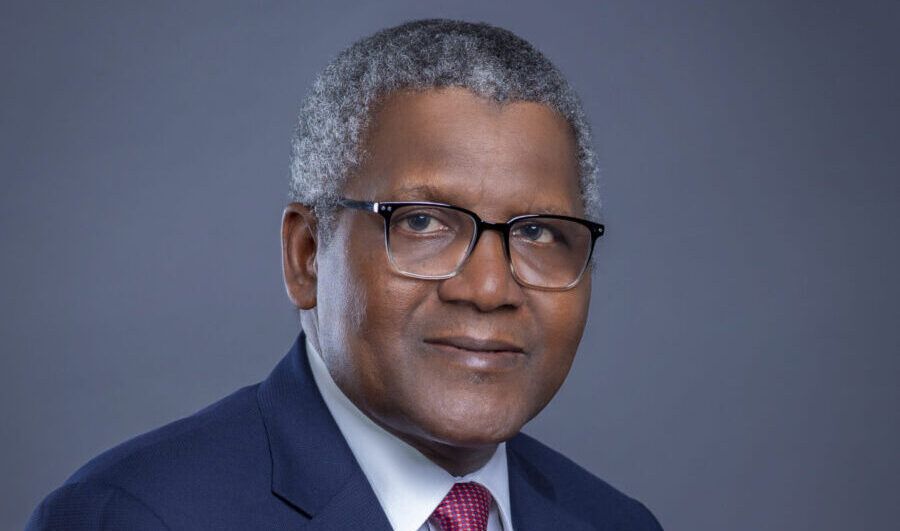

The latest confrontation between Africa’s richest man, Aliko Dangote, and Nigeria’s downstream petroleum regulator has escalated beyond a regulatory dispute into a full-blown test of governance, credibility and the country’s long-promised transition to domestic refining.
At the heart of the controversy are grave allegations by Dangote against the Chief Executive of the Nigerian Midstream and Downstream Petroleum Regulatory Authority (NMDPRA), Farouk Ahmed, whom he accuses of economic sabotage and possible corruption. Dangote claims the regulator has continued to issue large volumes of fuel import licenses despite Nigeria’s growing local refining capacity, a practice he argues undermines domestic investment and keeps the country trapped in import dependency.
The accusations are explosive not just because of who is making them, but because of what they imply. Dangote alleges that import permits covering about 7.5 billion litres of petrol have been issued for early 2026, even as the $20bn Dangote Refinery and modular refineries struggle to secure market share. If accurate, this raises fundamental questions about whether Nigeria’s regulatory framework is aligned with the Petroleum Industry Act’s objective of encouraging local refining or still beholden to entrenched import interests.
More damaging are the personal allegations levelled against the NMDPRA chief, particularly claims that he spent about $5 million on the secondary education of his four children in Switzerland. Dangote has framed this not merely as a moral issue but as a governance red flag, arguing that such expenditure appears inconsistent with the income of a public official and warrants investigation by the Code of Conduct Bureau. While the NMDPRA has previously denied similar accusations made by civil groups, the regulator’s silence so far in the face of Dangote’s renewed claims has only intensified public scrutiny.
Beyond personalities, the dispute exposes deeper structural tensions in Nigeria’s oil sector. For decades, fuel importation has been a lucrative business dominated by powerful interests, while successive governments failed to fix refineries or build new ones. Dangote’s refinery was supposed to mark a turning point: ending imports, conserving foreign exchange and stabilising supply. Yet the continued issuance of import licences suggests a system struggling to let go of old habits.
This is not the first clash between Dangote and the regulator. The refinery previously sued the NMDPRA and NNPCL, alleging violations of the Petroleum Industry Act and seeking to revoke import permits. Although that case was later withdrawn, the underlying issues were never resolved. Instead, they have resurfaced in a more confrontational and public manner, raising fears of policy uncertainty at a time when investor confidence is fragile.
The House of Representatives’ intervention reflects the gravity of the situation. By summoning both Dangote and the NMDPRA leadership, lawmakers are attempting to contain a dispute that now threatens sector stability. Their call for a ceasefire in media exchanges underscores concern that the public spat could undermine confidence in post-subsidy reforms, especially when Nigerians are still grappling with high fuel prices and economic hardship.
Ultimately, this saga is bigger than Dangote versus NMDPRA. It is a referendum on whether Nigeria is ready to align regulation with national economic goals, enforce transparency among public officials, and dismantle rent-seeking structures that thrive on imports. If the allegations are proven false, the regulator’s credibility must be restored through openness. If they are substantiated, accountability must follow swiftly.
What Nigerians are watching for is not just who wins this fight, but whether the outcome finally tilts the downstream sector away from opaque interests and towards a genuinely competitive, locally driven refining industry.



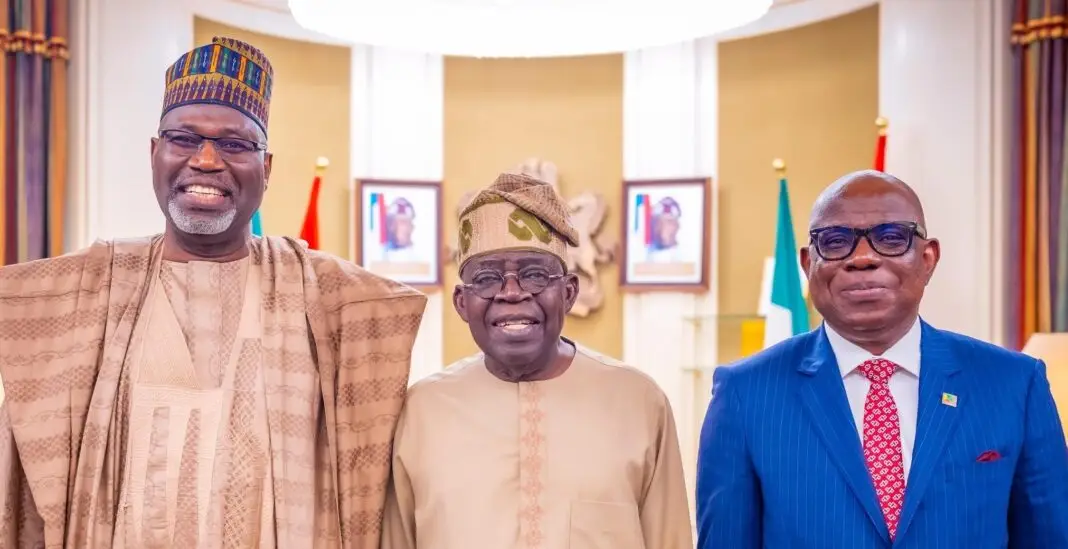
, Farouk Ahmed, whom he accuses of economic sabotage and possible corruption.)