

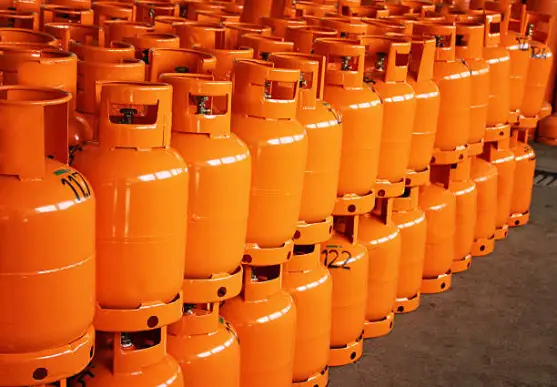

Yesterday (Monday), I refilled a 12.5kg cooking gas cylinder for N21,300 from LUBGAS, a major distributor in Gwarinpa, Abuja, translating to approximately N1,700 per kilogram. In December 2022, before the current administration came into office, the same quantity cost about N10,000, or roughly N800 per kilogram. In just a few years, the cost of cooking gas has more than doubled, placing a basic household necessity beyond the reach of millions of Nigerians.
I made a post of this experience on Facebook and one of my friends, like many others out there, argued implicitly that government should not interfere with market forces. He holds the view that the federal government should allow demand and supply to determine prices. However, this argument ignores a fundamental reality: governments all over the world influence markets when doing so serves the public interest. Through taxes, subsidies, regulations, tariffs, monetary policies and public investments, governments routinely shape economic outcomes. The real question is not whether government can influence market forces, but whether it should do so in circumstances where the welfare of citizens and the national interest are at stake.
The sharp increase in cooking gas or liquified petroleum gas (LPG) prices, presents precisely such a circumstance. As LPG becomes more expensive, many households are forced to abandon it and return to firewood and charcoal. While these fuels may appear cheaper in the short term, their widespread use carries enormous long-term costs for the nation.
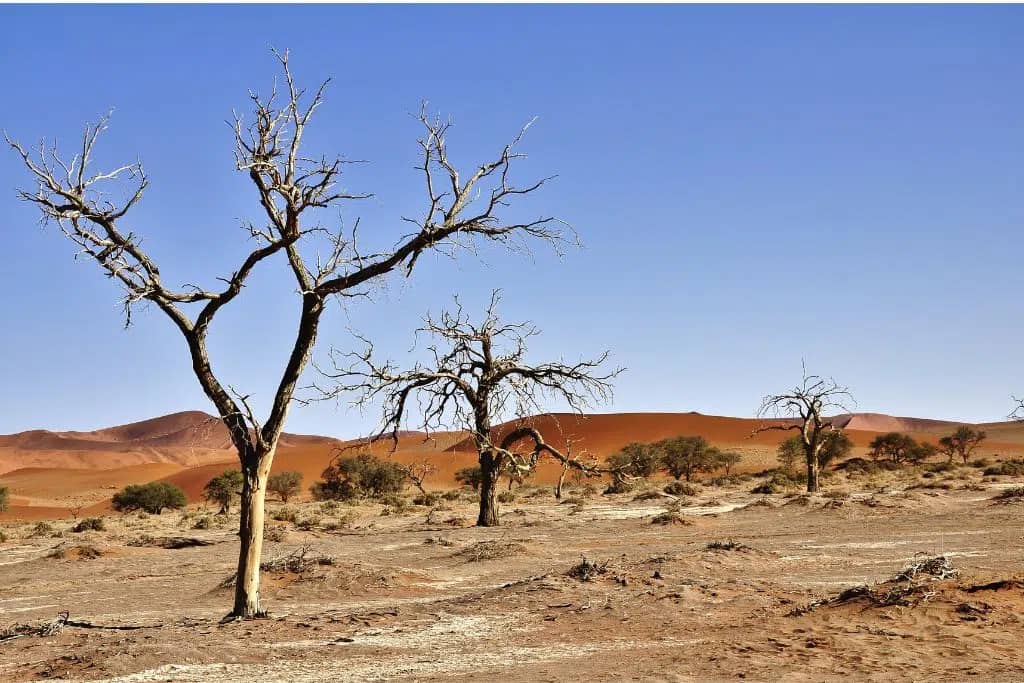
Firstly, increased reliance on firewood and charcoal accelerates deforestation. Nigeria already faces serious environmental challenges, including desertification, soil degradation and loss of forest cover. Every household that abandons cooking gas for wood fuel contributes to greater pressure on the country’s forests. The resulting environmental damage threatens agriculture, water resources, biodiversity and climate resilience.
Secondly, the return to traditional cooking fuels creates significant public health problems. Smoke from firewood and charcoal is associated with respiratory illnesses, especially among women and children who spend the most time around cooking areas. The health burden generated by these illnesses ultimately translates into higher healthcare costs for families and government alike.
Households switching to electric cooking instead, may sound like a good measure to limit environmental degradation. However, this is not a realistic option for many Nigerians. Electricity tariffs have risen astronomically in recent years while power supply remains unreliable in many parts of the country. For millions of households, electric cooking at 0.0044 kwh/Naira is neither affordable nor dependable. Consequently, rising cooking gas prices often push families toward firewood and charcoal rather than cleaner energy alternatives.
This raises a broader policy concern. If the government’s objective is to promote cleaner energy use, then electricity and cooking gas cannot both become unaffordable simultaneously. When the two most practical clean-energy options are priced beyond the reach of ordinary citizens, households are inevitably driven back to traditional fuels, undermining national environmental, health and development goals.
Subsidizing cooking gas should therefore not be viewed merely as a consumer welfare measure. It is an investment in environmental protection, public health and sustainable development. The economic costs of deforestation, environmental degradation, reduced agricultural productivity and preventable illnesses may ultimately exceed the cost of a targeted subsidy program designed to keep cooking gas affordable.
Furthermore, the essence of government extends beyond maintaining law and order. The Constitution places a responsibility on government to promote the security and welfare of the people. Public policy cannot be guided solely by the mechanics of demand and supply. Economic decisions must also take into account social welfare, environmental sustainability and the quality of life of citizens.
A well-designed cooking gas subsidy does not have to be wasteful or permanent. Government can target low-income households, support domestic LPG production and distribution, reduce taxes and levies on cooking gas, and provide incentives that lower retail prices. Such measures would encourage cleaner energy use while delivering broad economic, environmental and social benefits.
Ultimately, life is not governed solely by market forces. The purpose of government is to ensure that economic policies serve the people and advance the national interest. Given the dramatic increase in cooking gas prices, the link between expensive LPG and deforestation, the high cost and unreliability of electricity, and the government’s obligation to promote the welfare of its citizens, there is a compelling case for Nigeria to subsidize cooking gas. Doing so would protect the environment, improve public health, preserve forests, and help millions of households maintain access to clean and modern cooking energy.