
Impact of Trump’s Tariffs on Global Trade 

Introduction 

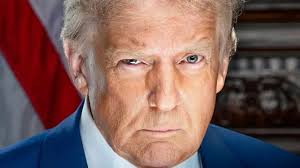
In recent years, the global trade landscape has been significantly influenced by the tariffs imposed by former U.S. President Donald Trump. These measures, aimed at protecting American industries and reducing the trade deficit, have sparked widespread debate and have led to substantial consequences for both the international markets and the domestic economy. This news story delves into the origin, implementation, and aftermath of Trump’s tariffs, providing insights into their diverse impacts. 

Background 

Trump’s tariffs were part of his broader “America First” policy, which focused on reshoring American jobs and reviving the country’s manufacturing sector. The tariffs targeted a range of imported goods, with steel and aluminum being among the most prominent. The decision to impose tariffs was justified on the grounds of national security and the necessity to protect American industries from unfair foreign competition, particularly from China. 

Implementation and Initial Reactions 

The first wave of tariffs was announced in March 2018, with a 25% tariff on steel and a 10% tariff on aluminum imports. The announcement was met with mixed reactions both domestically and internationally. While some American manufacturers and workers welcomed the move, hoping for a resurgence in local production, others raised concerns about the potential for increased production costs and retaliatory measures from trading partners. 

Internationally, key trade allies such as the European Union, Canada, and Mexico expressed their discontent. They argued that the tariffs violated World Trade Organization (WTO) rules and threatened to undermine the global trading system. In response, many of these countries imposed their retaliatory tariffs on American goods, sparking a series of trade disputes. 

Impact on Global Trade 

The tariffs led to disruptions in global supply chains, impacting various industries reliant on steel and aluminum. The automotive sector, for instance, faced increased costs due to the higher prices of raw materials. This, in turn, affected consumer prices and led to tensions between multinational companies and their suppliers. 

China, being one of the primary targets of the tariffs, experienced a significant reduction in its exports to the United States. The trade tensions between the two largest economies in the world escalated into a full-blown trade war, with both countries imposing tariffs on billions of dollars’ worth of each other’s goods. This had a ripple effect on global markets, leading to uncertainties and fluctuations in stock prices. 

Domestic Economic Consequences 

At home, the tariffs had varied impacts on different sectors. While the steel and aluminum industries saw a temporary boost, other sectors were not as fortunate. The agricultural sector, for example, suffered due to retaliatory tariffs from China, which targeted American soybeans, pork, and other agricultural products. Farmers faced decreased demand and lower prices for their produce, leading to financial strain and a call for government aid. 

Additionally, manufacturing sectors that relied on imported components saw their costs rise. This increased the prices of finished goods, leading to higher costs for consumers and businesses. Small and medium-sized enterprises, in particular, struggled to absorb these increased costs, leading to concerns about their long-term viability. 

Political Ramifications 

Trump’s tariffs also had substantial political implications. They became a focal point in the debate over trade policy, with proponents arguing that they were necessary to protect American jobs and industries. Critics, on the other hand, contended that the tariffs were a blunt instrument that ultimately harmed American consumers and businesses. 

The tariffs also played a role in the 2020 presidential election, with trade policy emerging as a key issue. President Joe Biden, who succeeded Trump, faced the challenge of navigating the complex terrain of trade relations and determining the future of the tariffs. While some tariffs have been rolled back, others remain in place as part of ongoing negotiations and strategic considerations. 

Conclusion 

Trump’s tariffs have left a lasting mark on global trade and the U.S. economy. While they aimed to protect American industries and reduce the trade deficit, their implementation led to a series of economic and political consequences. The tariffs disrupted global supply chains, strained international relationships, and had mixed effects on the domestic economy. 

As the world continues to grapple with the aftermath of these measures, the debate over the role of tariffs in modern trade policy remains ongoing. Policymakers and stakeholders must carefully consider the lessons learned from this period and strive to strike a balance between protecting national interests and fostering a healthy, cooperative global trading environment. 

Hot this week

What They Never Told You: Ayatollah Khomeini Was a Great Jurist, Not a Fanatic

The West gave Iran a name — theocracy — and buried the reality beneath it. They never told you that Khomeini spent decades mastering one of the most rigorous legal traditions in human history, or that he built a constitutional republic ratified by 98 percent of the Iranian people in a free referendum. A nation of fanatics can be bombed with a clear conscience. A constitutional republic of 93 million people, founded by a supremely gifted jurist, is harder to dispose of.

‘We Won’t Be Silenced’: ADC Rejects Court-Ordered Deregistration

Abdullahi said: We did not expect the level of judicial rascality that was demonstrated. When a Court of Appeal says stay proceedings until October 27 and a lower court goes ahead to deliver judgment on the same matter, it is bizarre and dangerous."

Sheikh Gumi and the Case for Dialogue

It is against this background that I offer my views on the issues of banditry and kidnappings, particularly in northern Nigeria. My perspective is informed by knowledge acquired during my graduate studies at the Fletcher School of Law and Diplomacy, Tufts University, in the United States. Two courses, in particular, shaped my understanding of conflicts and their resolution. The first was International Security Studies, taught by Professor Richard Shultz, a consultant to the Pentagon. The second was International Negotiation, taught by Professor Diana Chigas, a member of the team that helped negotiate the end of apartheid in South Africa.

June 12: Democracy’s Sacred Mandate and Nigeria’s Unfinished Journey

Democracy has delivered some notable gains. The country has witnessed peaceful transfers of power, expanded political participation, a more vibrant media landscape, and greater civic engagement. These achievements should not be dismissed. They are evidence that democratic governance, despite its imperfections, remains preferable to military rule. However, democracy cannot survive on political rituals alone. For millions of Nigerians battling insecurity, unemployment, poverty, inflation, and inadequate infrastructure, democracy must mean more than periodic elections.

Atiku Picks Amaechi as Running Mate in Strategic Move

In a move that could significantly reshape Nigeria's political landscape ahead of the next presidential election, the presidential candidate of the African Democratic Congress (ADC), Alhaji Atiku Abubakar, has nominated former Minister of Transportation, Chief Chibuike Rotimi Amaechi, as his running mate.

Topics

What They Never Told You: Ayatollah Khomeini Was a Great Jurist, Not a Fanatic

The West gave Iran a name — theocracy — and buried the reality beneath it. They never told you that Khomeini spent decades mastering one of the most rigorous legal traditions in human history, or that he built a constitutional republic ratified by 98 percent of the Iranian people in a free referendum. A nation of fanatics can be bombed with a clear conscience. A constitutional republic of 93 million people, founded by a supremely gifted jurist, is harder to dispose of.

‘We Won’t Be Silenced’: ADC Rejects Court-Ordered Deregistration

Abdullahi said: We did not expect the level of judicial rascality that was demonstrated. When a Court of Appeal says stay proceedings until October 27 and a lower court goes ahead to deliver judgment on the same matter, it is bizarre and dangerous."

Sheikh Gumi and the Case for Dialogue

It is against this background that I offer my views on the issues of banditry and kidnappings, particularly in northern Nigeria. My perspective is informed by knowledge acquired during my graduate studies at the Fletcher School of Law and Diplomacy, Tufts University, in the United States. Two courses, in particular, shaped my understanding of conflicts and their resolution. The first was International Security Studies, taught by Professor Richard Shultz, a consultant to the Pentagon. The second was International Negotiation, taught by Professor Diana Chigas, a member of the team that helped negotiate the end of apartheid in South Africa.

June 12: Democracy’s Sacred Mandate and Nigeria’s Unfinished Journey

Democracy has delivered some notable gains. The country has witnessed peaceful transfers of power, expanded political participation, a more vibrant media landscape, and greater civic engagement. These achievements should not be dismissed. They are evidence that democratic governance, despite its imperfections, remains preferable to military rule. However, democracy cannot survive on political rituals alone. For millions of Nigerians battling insecurity, unemployment, poverty, inflation, and inadequate infrastructure, democracy must mean more than periodic elections.

Atiku Picks Amaechi as Running Mate in Strategic Move

In a move that could significantly reshape Nigeria's political landscape ahead of the next presidential election, the presidential candidate of the African Democratic Congress (ADC), Alhaji Atiku Abubakar, has nominated former Minister of Transportation, Chief Chibuike Rotimi Amaechi, as his running mate.

Three Killed as Gunmen Raid Kogi School

The Kogi State Police Command said the attackers arrived in large numbers, travelling on about 40 motorcycles, and targeted the school and nearby surroundings in what authorities believe may have been an attempt to carry out kidnappings.

Kwankwaso Weighs NDC Exit as Candidate Purge Deepens Party Crisis

Amid the growing controversy, there is a call urging Kwankwaso to leave the NDC if he believes he is being unfairly treated by the party leadership. Supporters of Kwankwaso say he should pursue his political ambitions on another platform if he feels constrained, marginalized, or denied a fair role within the party.

Sheikh Gumi: An Asset Nigeria Should Not Ignore

For many years, Gumi has attracted criticism because of his contacts with bandits. Some commentators have accused him of being too sympathetic to them. Others have questioned why he meets with them in their forest hideouts. But instead of seeing him as part of the problem, Nigerians should ask whether he can be part of the solution.
spot_img

Related Articles

Popular Categories

spot_imgspot_img